
Picking a cricket bat isn't about grabbing the one with the flashiest stickers. It's about finding the blade that fits your game, your build, and your goals. Whether you're a weekend slogger or pushing for a top-order slot, here's what actually matters when choosing a cricket bat, without the fluff.
1. Know Your Willow: English vs Kashmir
It's not just about where the wood comes from; it's how it behaves.
English Willow: Lighter, softer, with better ping (ball response). Needs more care, costs more.
Kashmir Willow: Harder, heavier, lasts longer in rougher conditions, but doesn't give the same sweet feel.
Pro move: Go English if you play with leather balls. Go to Kashmir if you're on a budget or play with tennis balls often.
Premium Quality Bats available here - Strive8
2. Get the Size Right (Not Just the Length)
Let's kill a myth: taller doesn't always mean bigger bat. Yes, your height matters, but so does your strength, batting style, and comfort at the crease. A size 6 bat might feel better balanced than a full-size bat if you're still building upper-body strength.
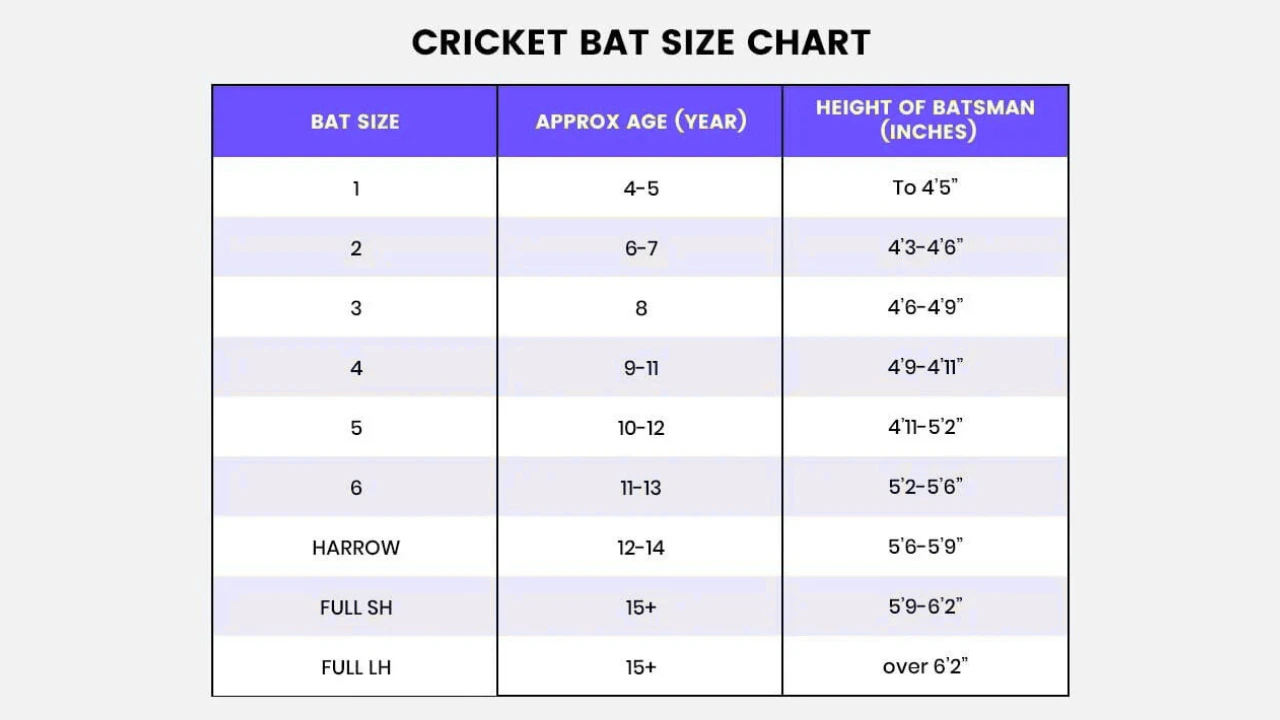
Quick tip: Hold the bat in stance. If the toe rests flat on the ground and the top of the handle aligns with your waist, you're in the right zone.
3. Grains: Not Just a Pretty Face
Grains are the vertical lines on the bat's face; they tell you about the wood's age and density.
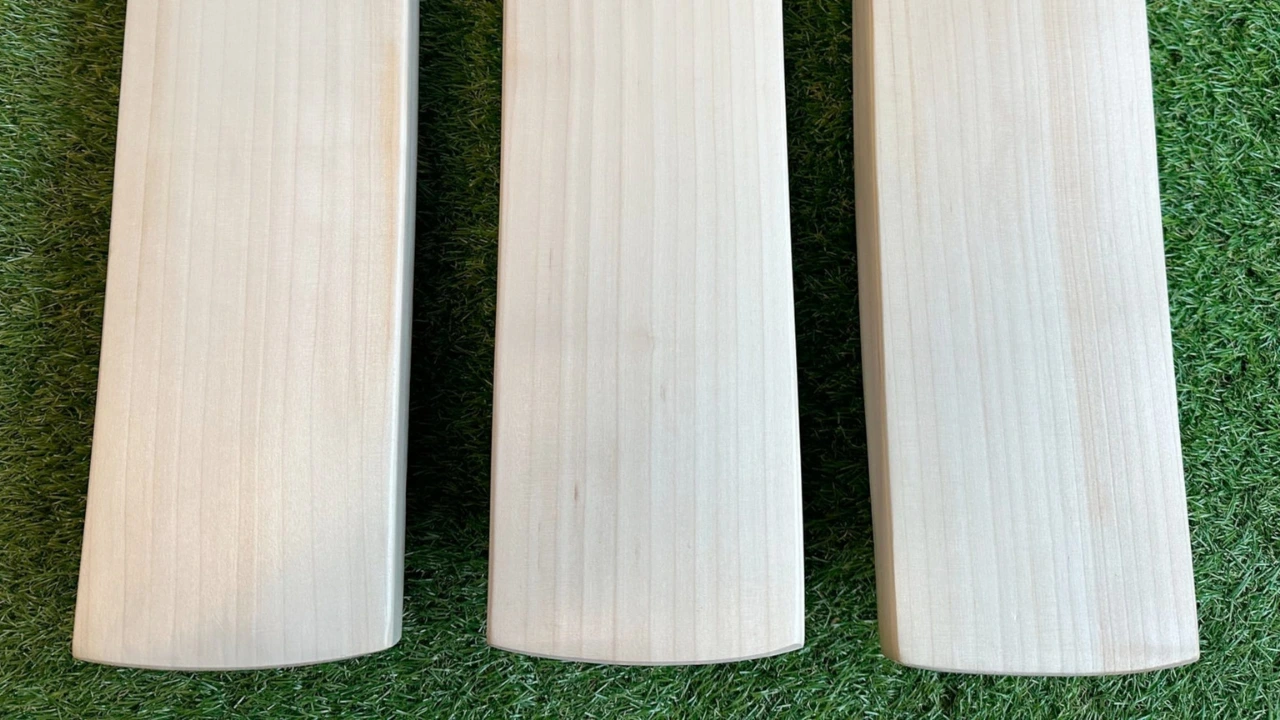
6-10 straight grains are usually ideal.
More grains = older, softer wood = better performance, but shorter lifespan.
Fewer grains = newer, harder wood = more durable, needs breaking in.
Don't obsess over the number; look for straight, even grains. Curvy or wide-spaced grains can mean inconsistent performance.
4. Weight and Pickup: Feel It, Don't Just Weigh It
A bat might weigh 1200g on a scale but feel like 1100g in your hands. That's called pickup, and it's everything.
Front-foot players often prefer a slightly heavier bat with more power.
Back-foot or touch players usually go for lighter bats with quick pickup.
Always swing the bat. If it feels like an extension of your arm, that's your bat.
5. Handle Type: Round vs Oval
This often gets ignored. It shouldn't.
Round handle: Better for bottom-hand-dominant players (more wristy shots).
Oval handle: Suits top-hand control (classic straight drives, stability).
Also, check the grip thickness; thinner grips can give more feel, but some players prefer the cushion of a double grip.
6. Sweet Spot Position
Where the bat's power is concentrated depends on how and where you play:
Lower sweet spot: Ideal for slow pitches or front-foot play.
Mid sweet spot: Best all-around option.
High sweet spot: Suits bouncy tracks and back-foot punchers.
Match the spot to the pitch conditions you face most
7. Toe Guard, Anti-Scuff, Knocking-In - Don't Skip These
A good bat won't last long without some care. Make sure:
It's knocked in (manually or with a machine).
You've added an anti-scuff sheet and a toe guard.
You oil it if it's uncoated English willow (lightly, not like a frying pan).
Final Word: Choose With Your Hands, Not Just Your Eyes
Don't fall for loud branding or player endorsements. Visit a store if you can or head to Strive8, where you’ll find premium bats, carefully selected for quality, balance, and performance, delivered to your doorstep. Swing the bat. Feel it. Imagine playing your first shot with it.
A cricket bat isn't just gear, it's a partner. Pick the one that backs your game, not just your ego.
